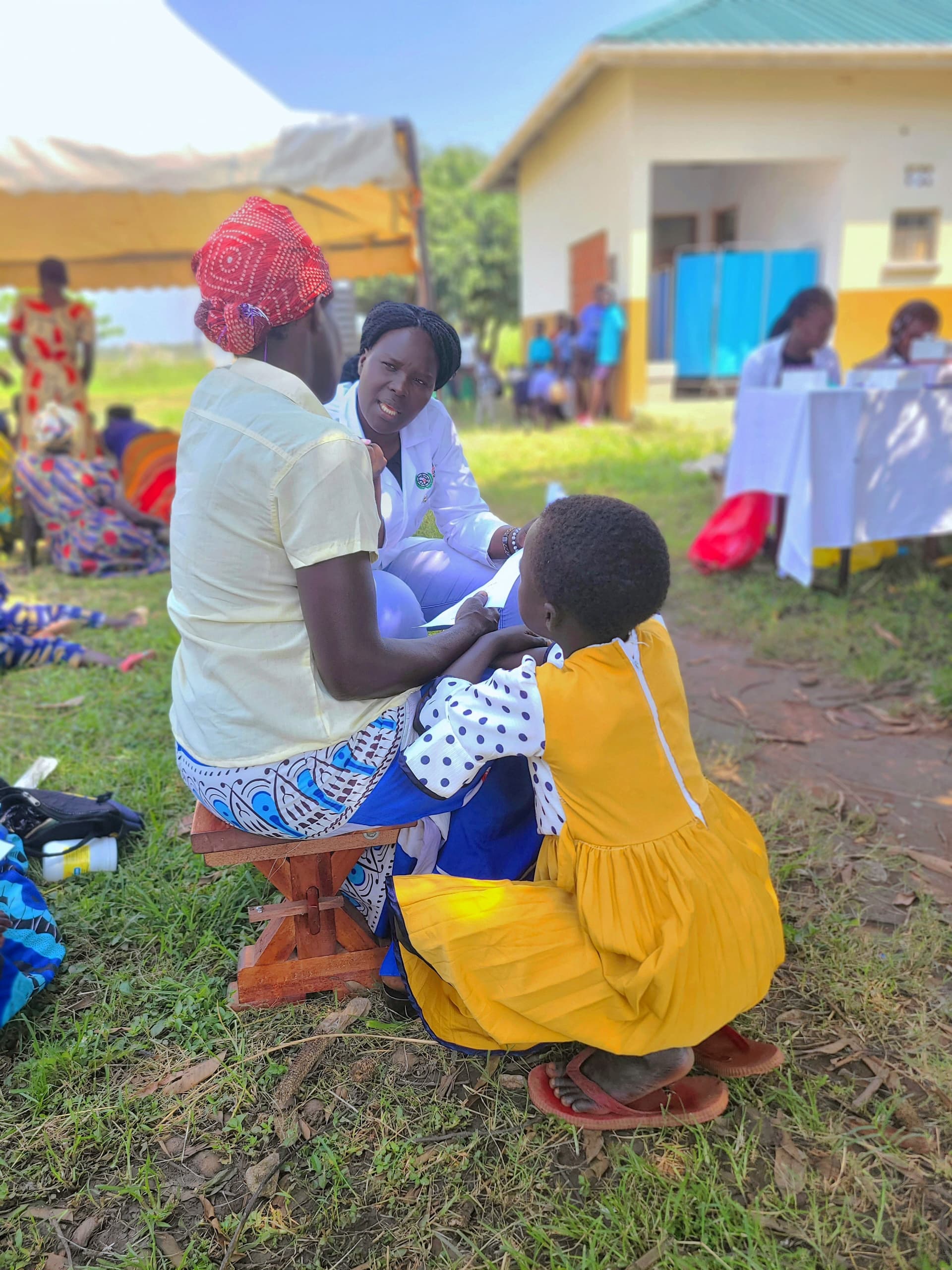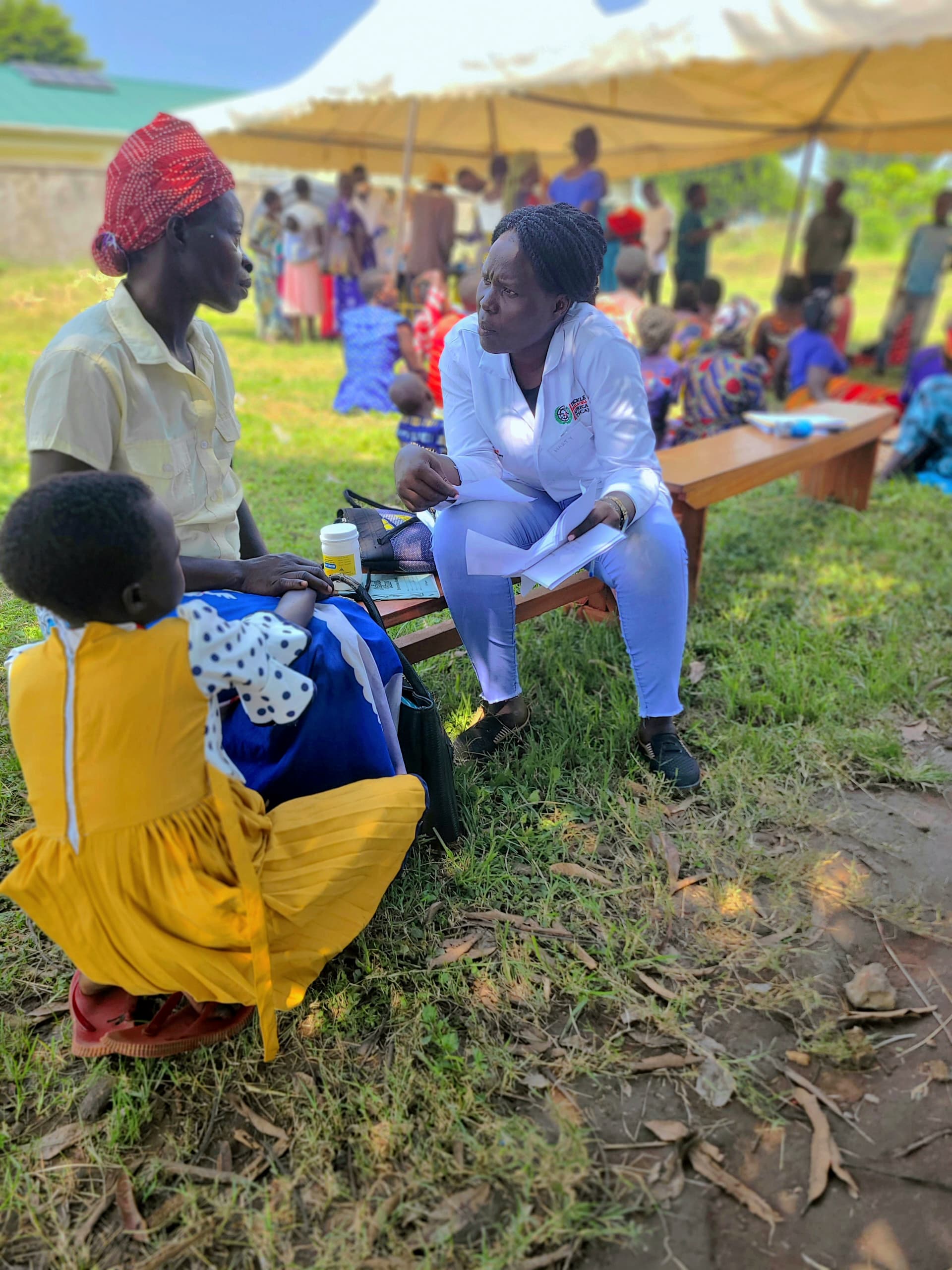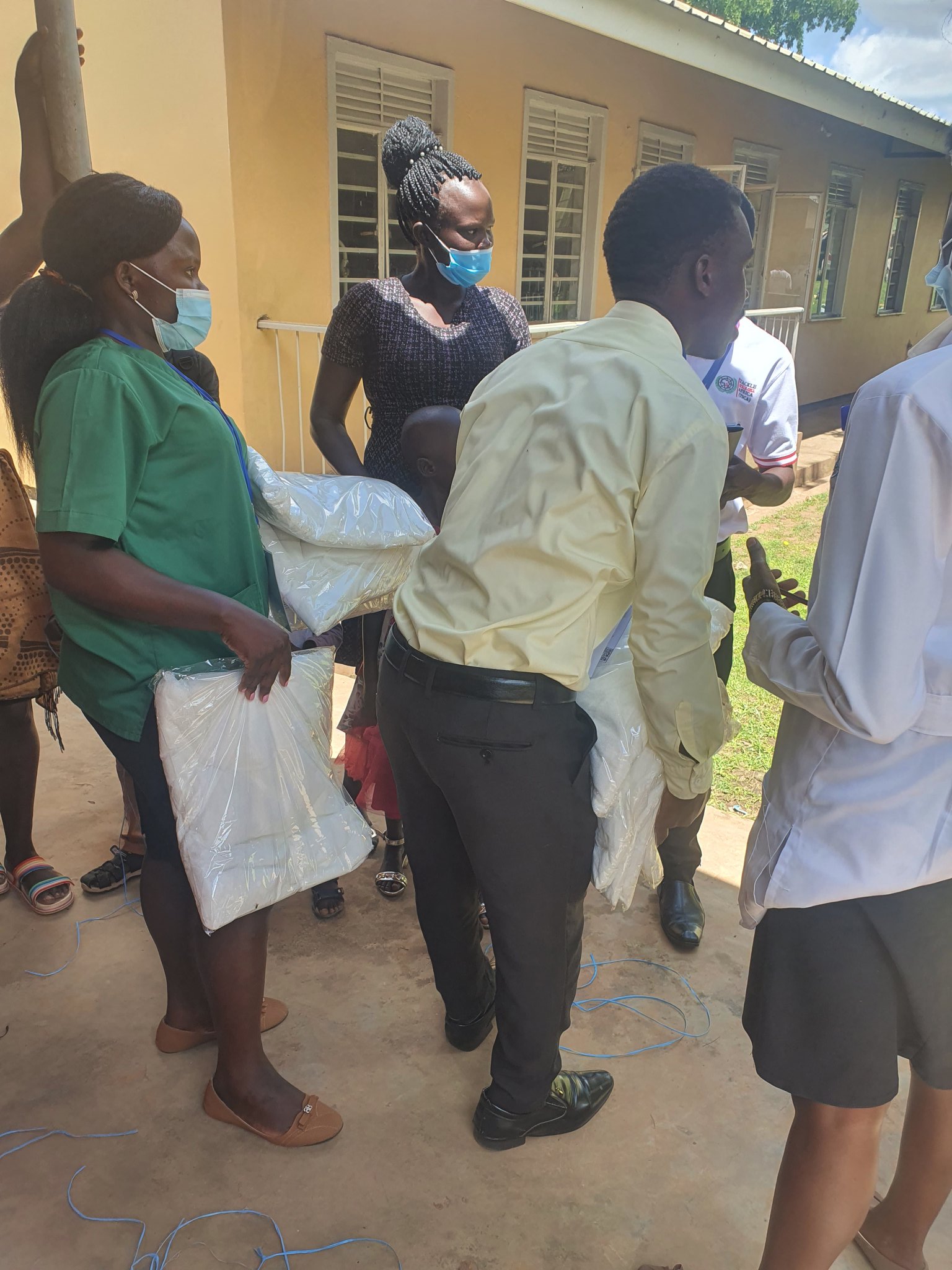
Empowering warriors, educating communities, and transforming care across Northern Uganda.
Tackle Sickle Cell Africa (TSCA) is a dedicated advocacy group committed to combating Sickle Cell Disease (SCD) in high-burden African communities, particularly in rural and underserved areas. Through free screenings, genetic counseling, early interventions, community education, and stigma reduction, we empower individuals and families to manage SCD effectively and prevent its inheritance.
Empowering communities through education and care.
To holistically combat sickle cell disease in rural African communities by providing free screenings, expert genetic counseling, early interventions (such as hydroxyurea therapy, penicillin prophylaxis, and vaccinations), and community education to reduce stigma, prevent inheritance, and improve quality of life for affected individuals and families.
A sickle cell-free Africa where every child is born healthy, communities are empowered with knowledge and resources to end the cycle of inheritance, and advanced treatments like gene therapy are accessible to all, eliminating premature deaths and enabling thriving lives without the burden of pain or discrimination.
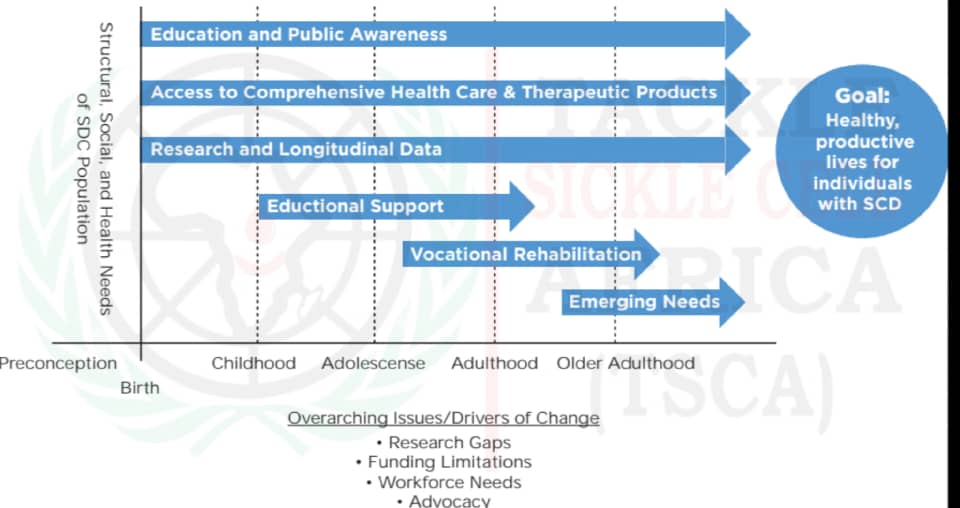
Training communities and health workers to manage sickle cell disease.
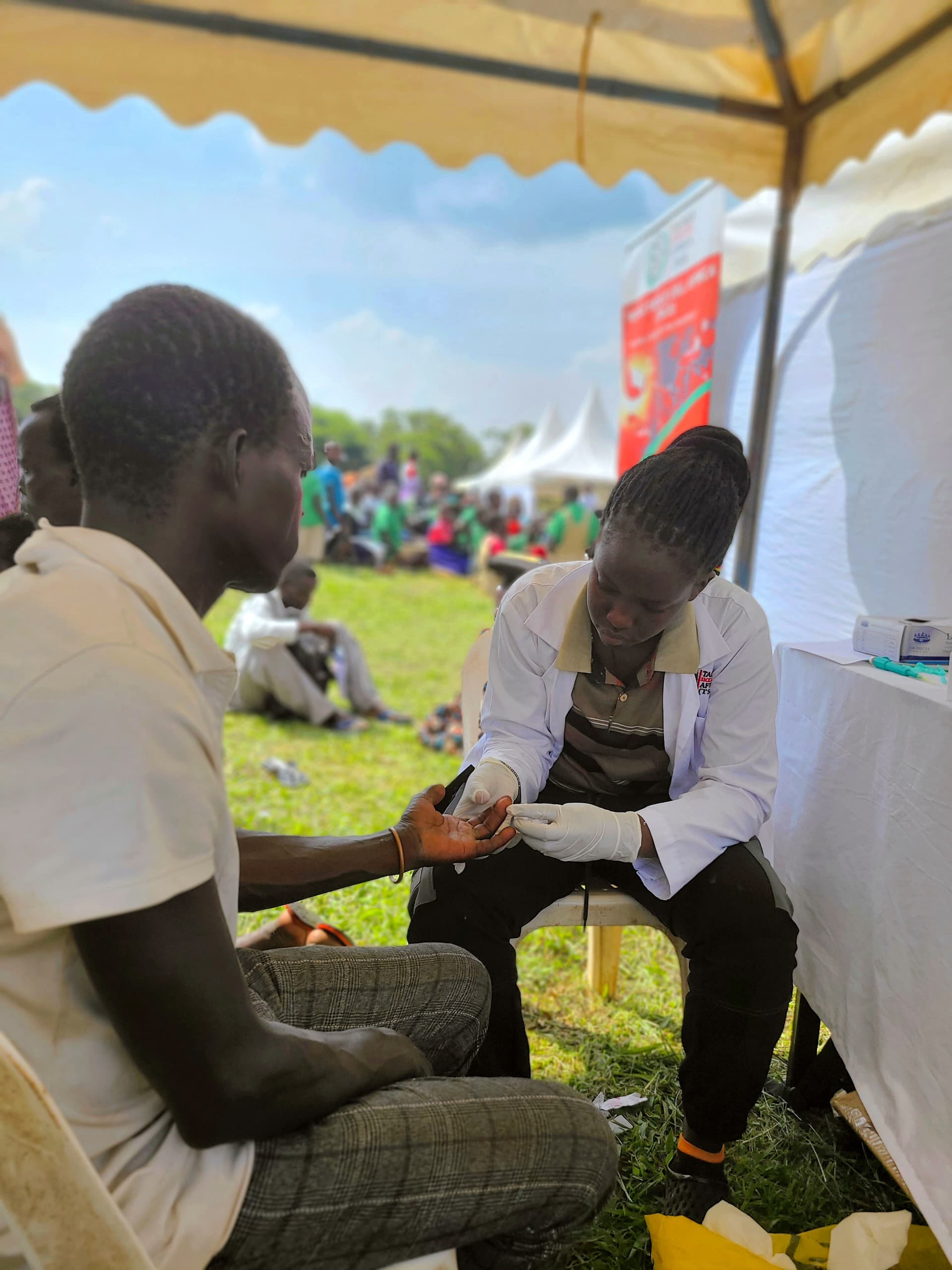
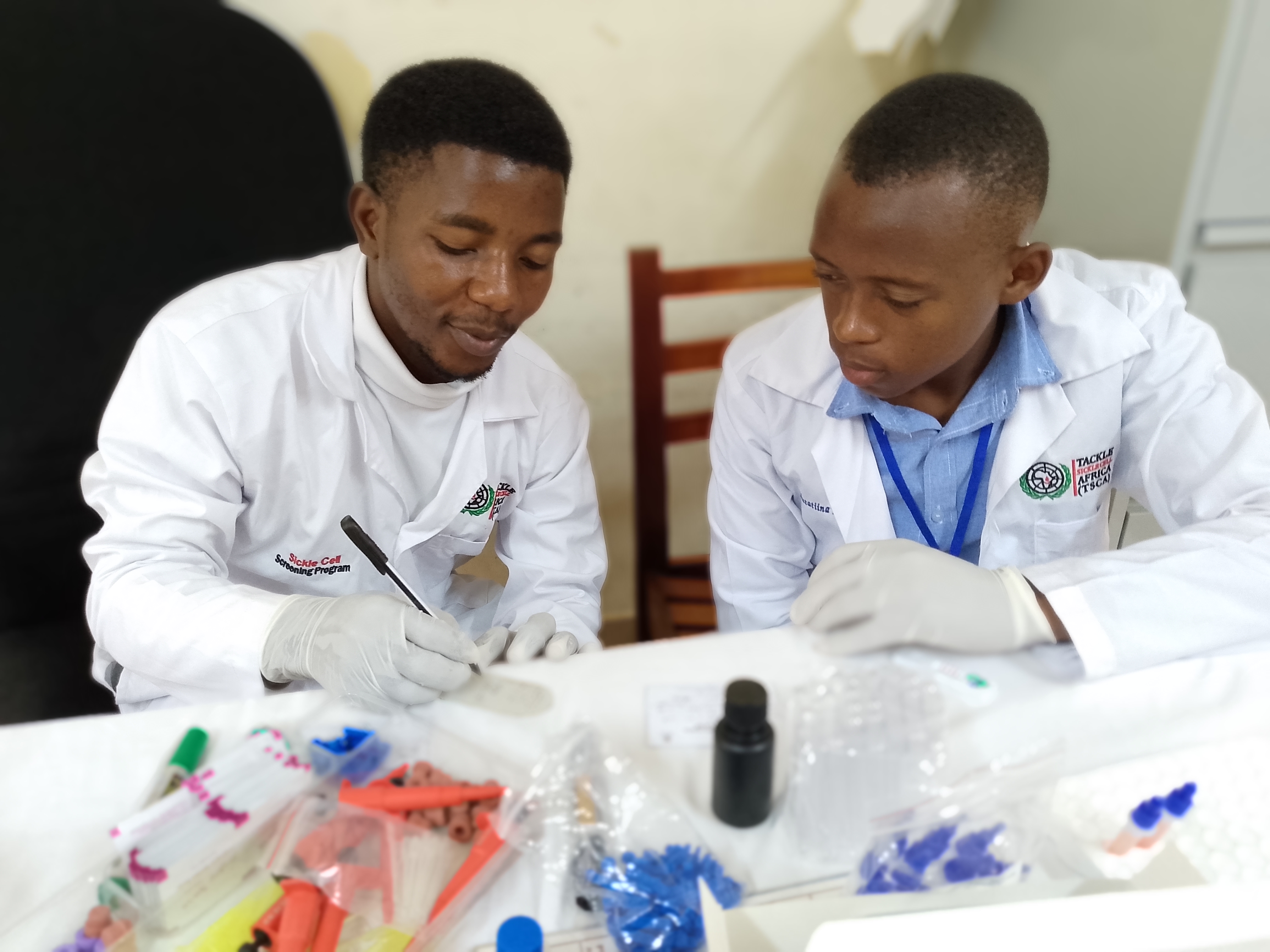
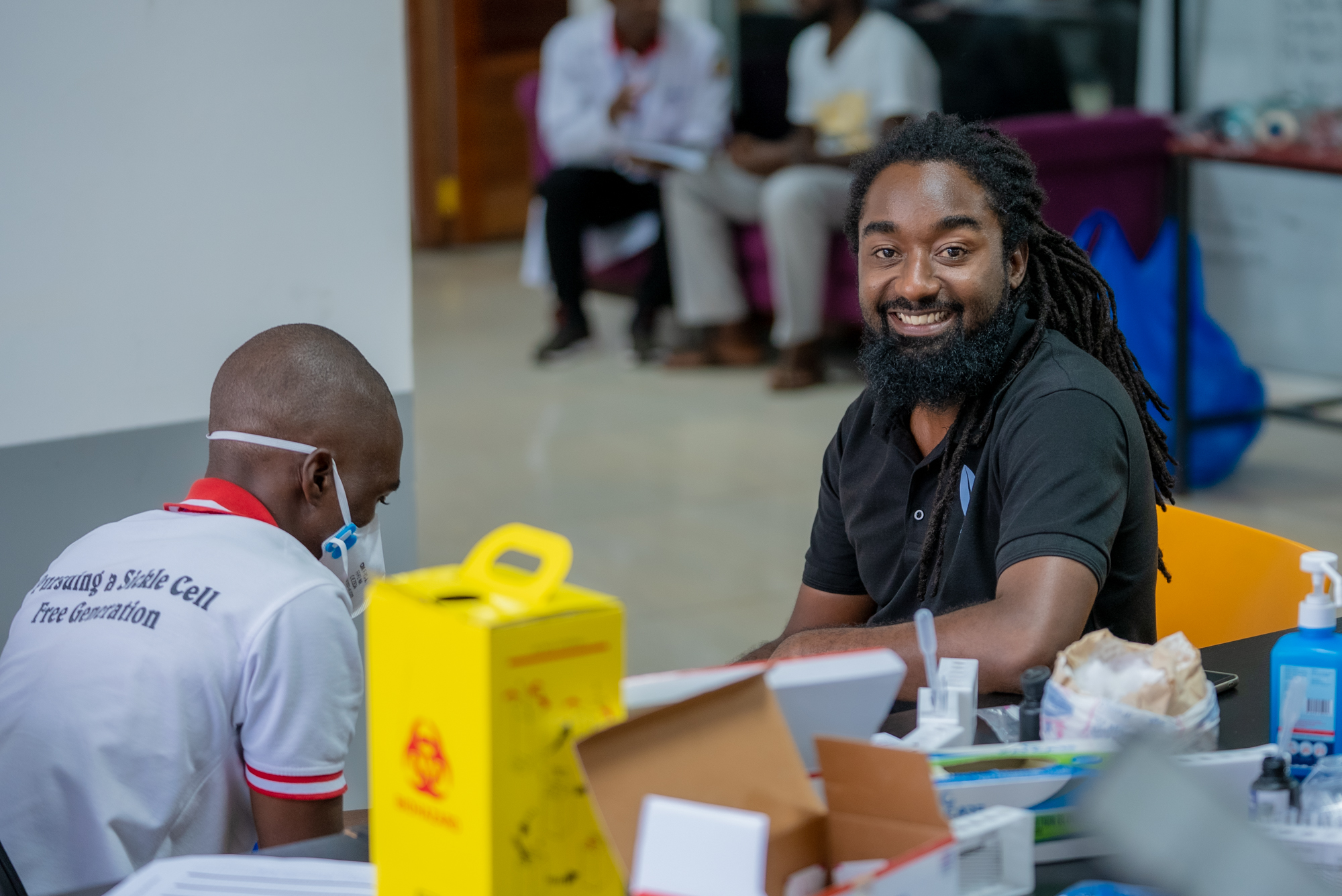
Free sickle cell screening and confirmatory testing for early diagnosis.
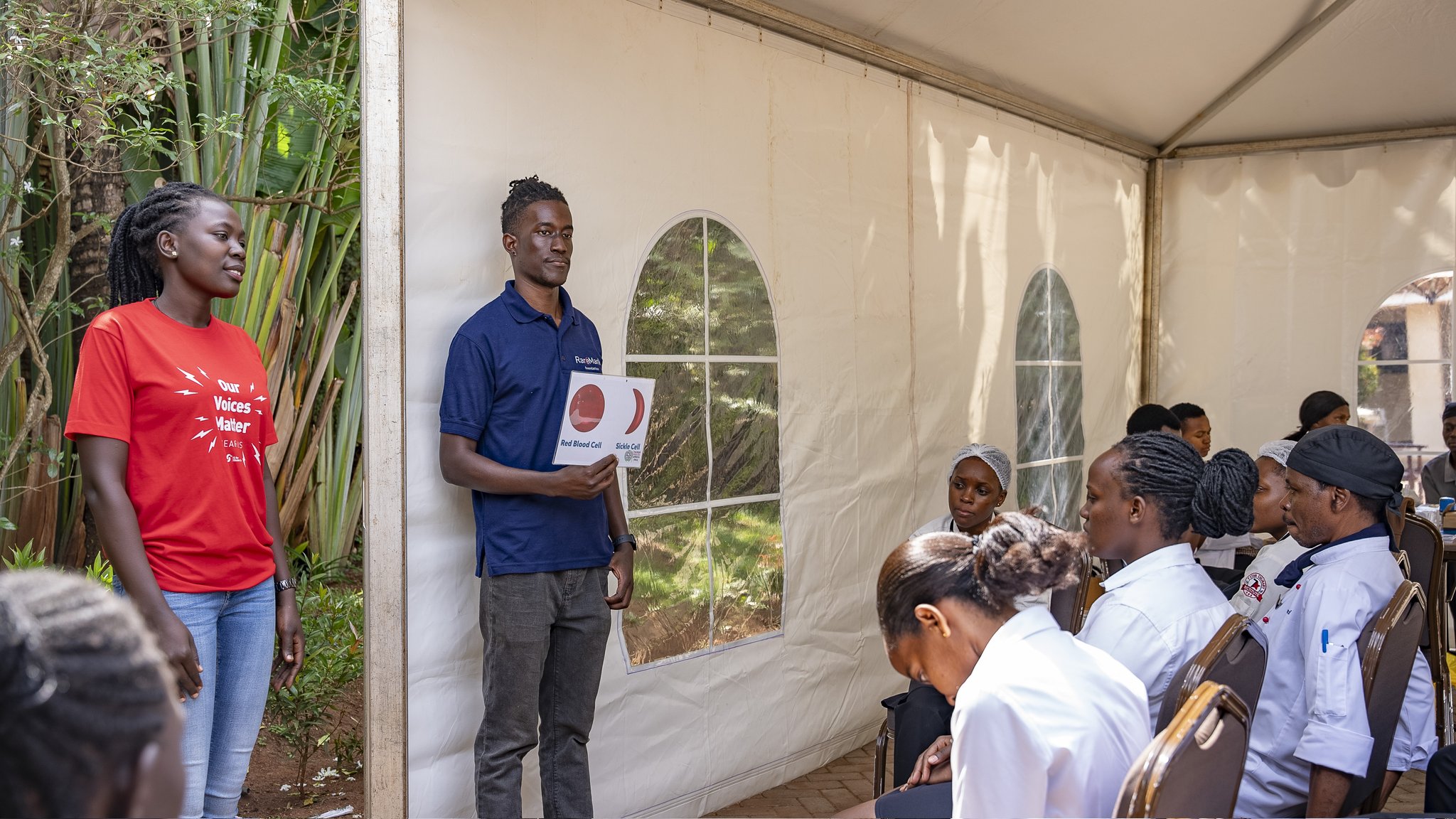
Educating communities to reduce stigma and prevent inheritance.
Integrating sickle cell into health policies and funding priorities.
Individuals screened for sickle cell for free.
Individuals identified and connected to care.
Individuals educated on sickle cell basics.
Health care workers trained on sickle cell management.
Answers to the most common questions about Sickle Cell Disease (SCD).
SCD is an inherited blood disorder where red blood cells become rigid, sticky, and crescent-shaped due to abnormal hemoglobin (HbS). These cells block blood flow, break down early, and cause anemia and pain.
Common symptoms include chronic anemia, pain crises, swelling in hands/feet, frequent infections, delayed growth, jaundice, and organ damage.
It follows an autosomal recessive pattern: a child must inherit two sickle genes (SS). Carriers (AS) have one normal and one sickle gene. Each pregnancy has a 25% chance of SCD, 50% chance of trait, and 25% chance of normal.
The only potential cure is a bone marrow transplant, most successful in children with a matched donor. Gene therapy (e.g., CRISPR-based treatments like Casgevy) has recently been approved in some countries.
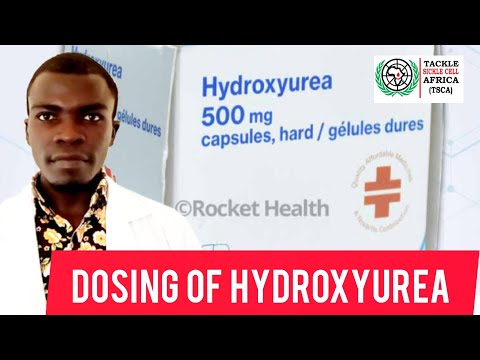
Management includes hydroxyurea, pain management, antibiotics, blood transfusions, folic acid, vaccinations, and newer drugs like L-glutamine and crizanlizumab.
SCD affects people of African, Mediterranean, Middle Eastern, Indian, and South/Central American descent. Sub-Saharan Africa bears the highest burden, with 300,000+ babies born annually and high under-5 mortality.
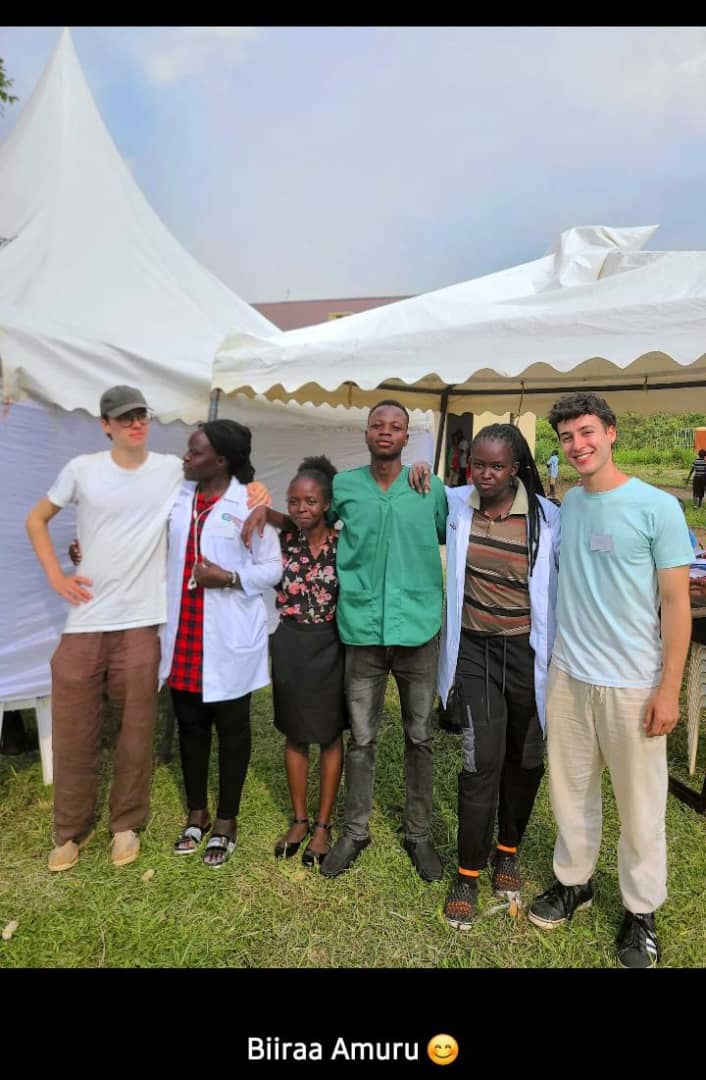
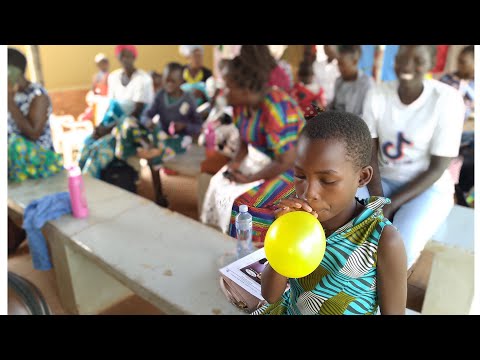
Moments from our outreach, screenings, and community programs.
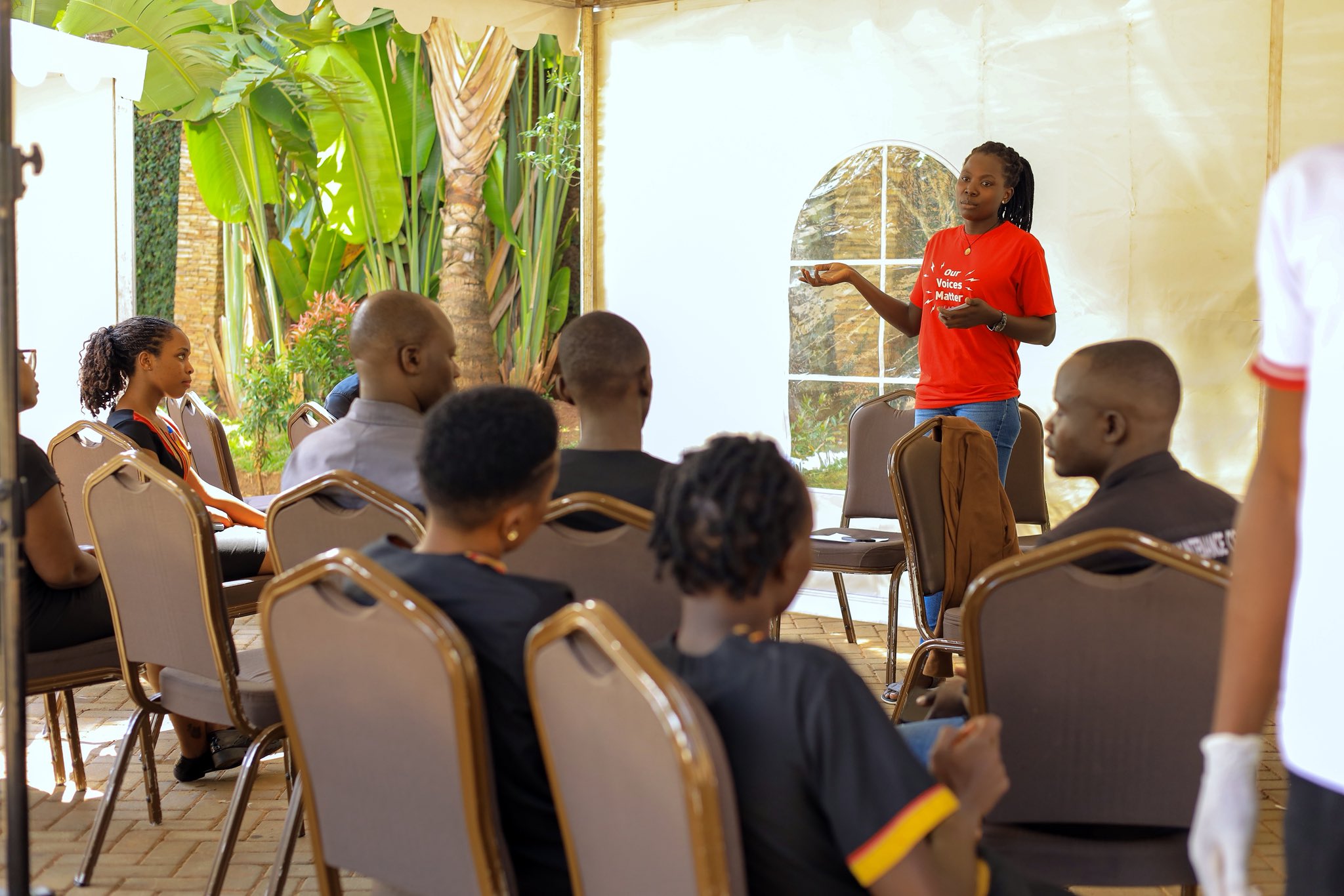
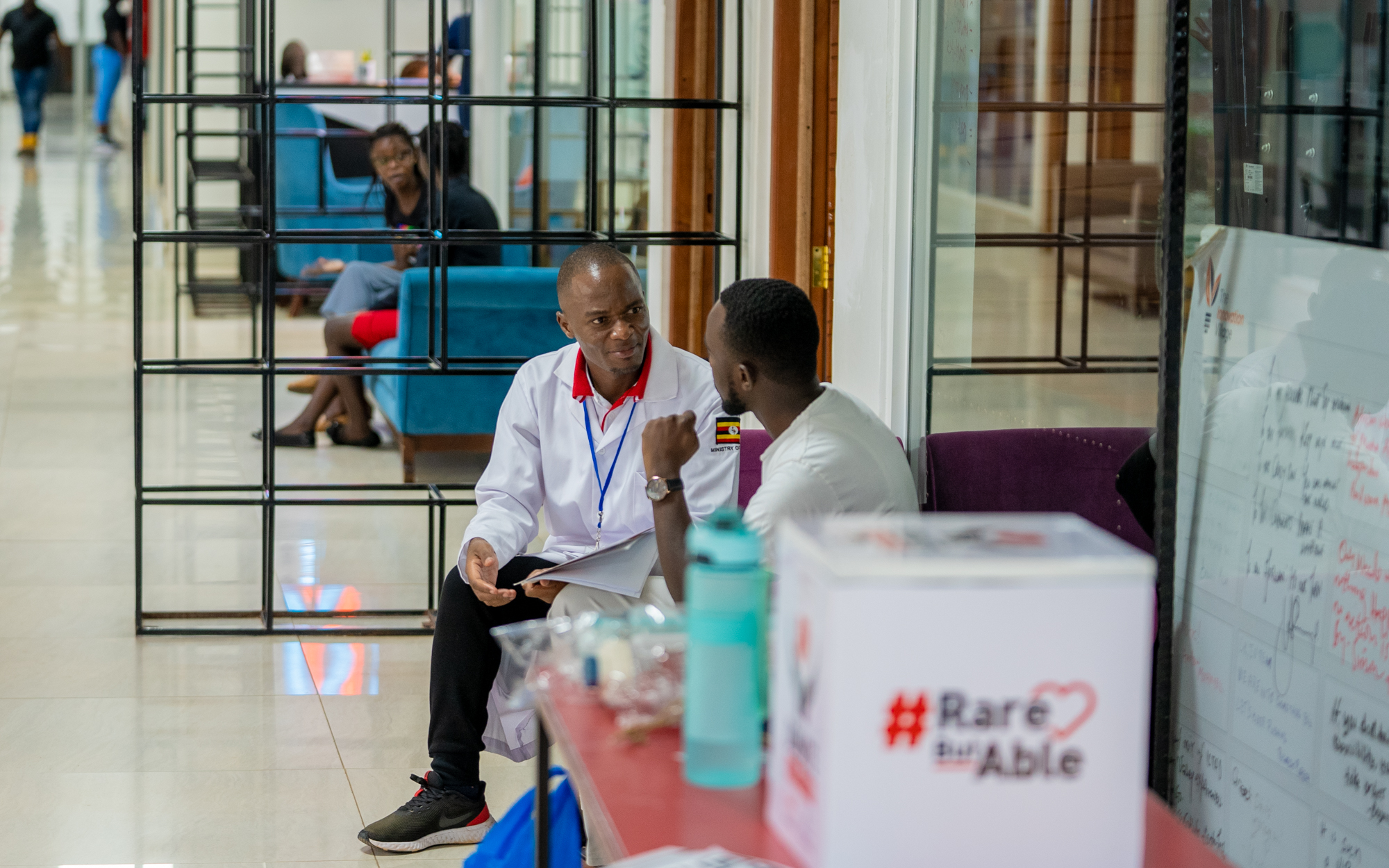
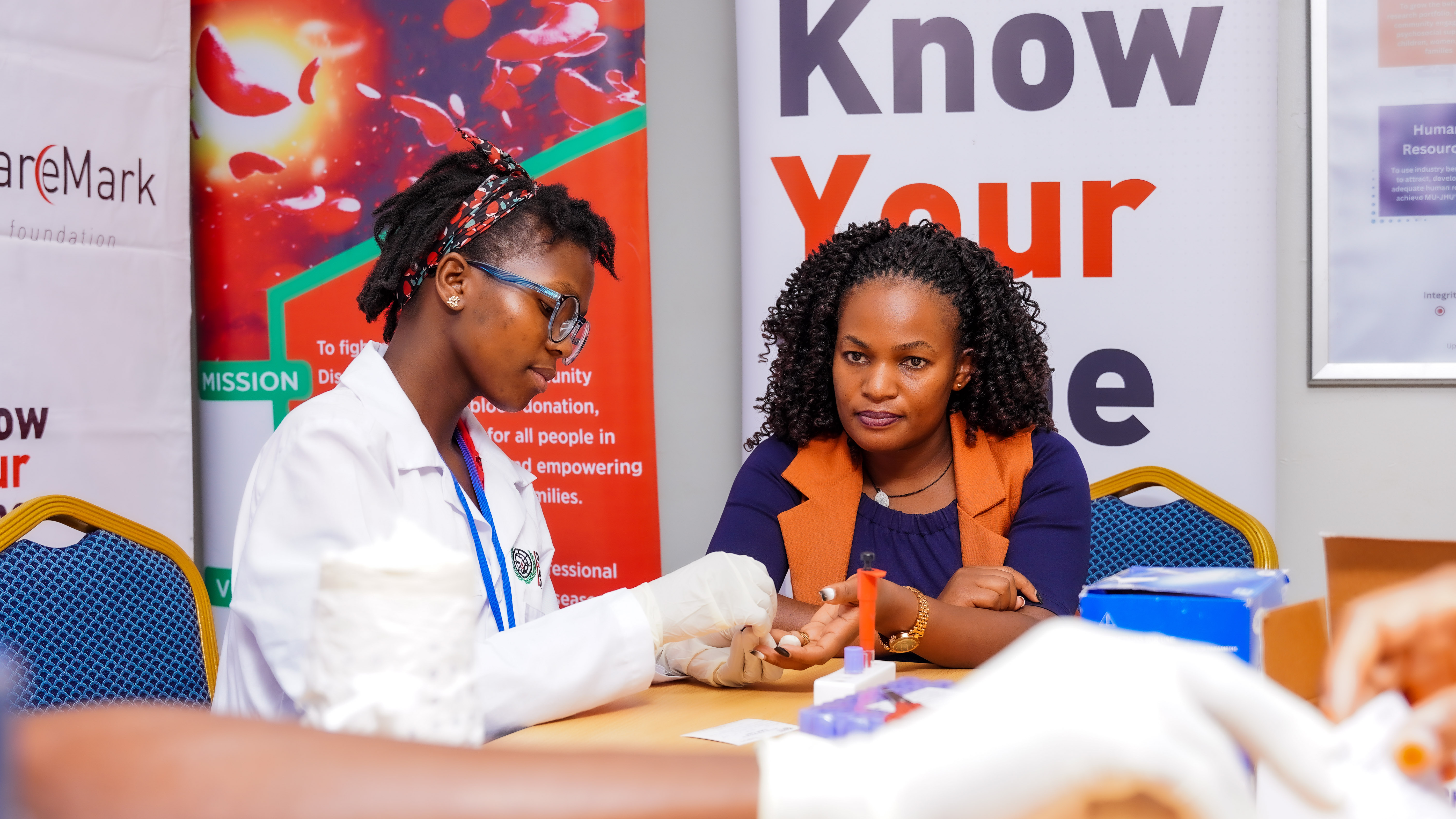
Watch our in-depth documentary showcasing the daily challenges faced by sickle cell warriors and the transformative impact of TSCA's programs in Northern Uganda.
Register your interest as a volunteer or subscribe to our newsletter for updates.
Your contribution is vital. It funds screening kits, essential medicine, and long-term care in Northern Uganda.
Direct Options
+256 786 241 344 (MTN)
+256 703 551 804 (Airtel)
0394870449 (Office)
P.O.Box 361777 Gulu
tacklesicklecell22@gmail.com